Accessory Dwelling Units (ADUs) are no longer a fringe concept in Seattle — they’ve become one of the most powerful tools for expanding housing, generating income, and creating flexibility in urban living. As zoning rules evolve and more homeowners look to maximize their property’s value, ADUs are quickly transitioning from "nice-to-have" to "must-have."
What Are ADUs?
ADUs are secondary residential units located on the same lot as a primary home. They come in a few main forms:
-
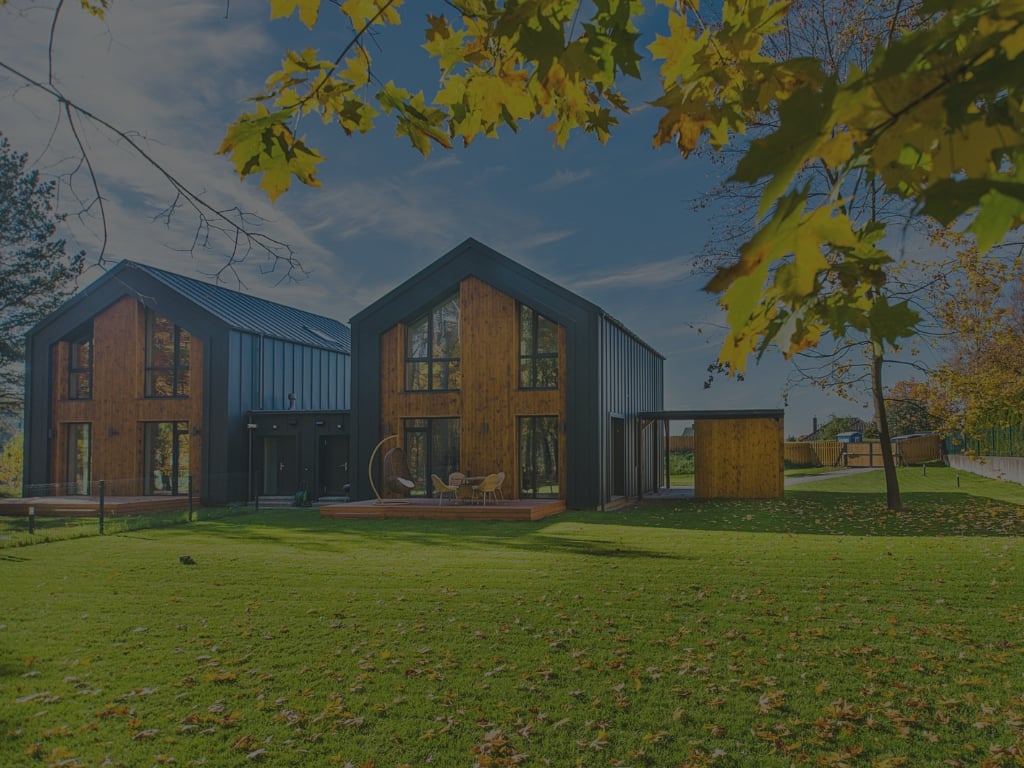
Detached ADUs (DADUs): Backyard cottages or standalone units
-
Attached ADUs: Built into an addition or over a garage
-
Basement ADUs: Finished lower levels with private entries
These units offer private, independent living space — often with full kitchens and baths — and are ideal for rental income, guest accommodations, or multigenerational living.
Seattle’s 2025 ADU Policy Changes: A Game-Changer
Recent updates to Seattle’s zoning laws now allow up to two ADUs per lot, and the city has streamlined the permitting process. That means:
-
Faster approvals
-
Fewer restrictions on lot size and parking
-
More flexibility in design and placement
These changes are removing barriers and opening the door for thousands of homeowners to add livable square footage — without needing to move.
Why More Homeowners Are Building ADUs
1. Rental Income: Generate passive income in your backyard. In many Seattle neighborhoods, a DADU can rent for $1,800–$2,800/month.
2. Multigenerational Living: Keep family close while maintaining privacy. ADUs are perfect for aging parents, young adults, or extended family.
3. Remote Work Space: Many homeowners are converting ADUs into dedicated offices or creative studios, especially as remote work becomes permanent.
4. Property Value Boost: Homes with finished ADUs are commanding higher sale prices. Buyers see them as income-generating investments.
Financing Innovation: How to Fund an ADU
Traditionally, financing an ADU meant taking out a HELOC or cash-out refinance. But that’s changing. Today, lenders are rolling out ADU-specific loan products:
-
Construction-to-perm loans for ADUs
-
Equity-based programs with flexible draw schedules
-
Partnerships with prefab ADU builders offering bundled finance + build packages
What to Expect in 2026 and Beyond
The ADU trend isn’t slowing down — in fact, it’s accelerating. Here’s what’s ahead:
-
More Affordability: Modular and prefab ADUs will cut build times and costs
-
Rental Demand Growth: Seattle’s tight housing supply means high occupancy rates for ADUs
-
Design Innovation: Expect solar panels, energy-efficient HVAC, compact layouts, and sustainability-first construction
-
Standard Feature Status: Buyers will increasingly expect homes to come with a rental-ready or flexible-use ADU
Final Takeaway
Seattle’s ADU landscape has changed dramatically in just a few years — and it’s still evolving. For homeowners, the opportunity is clear: ADUs offer flexible living, long-term value, and income potential that adapts to today’s market.
Whether you're looking to build, buy, or sell, understanding the power of ADUs is now essential to navigating Seattle real estate.